BEYOND SPONSORSHIP: THE WHITE SPACE ECONOMY AROUND FORMULA 1, HOSPITALITY, AND GLOBAL SPORTING EVENTS

The biggest opportunities in sports often exist outside the stadium.
When most people think about major sporting events, they think about what happens on the field, court, track, or race course. They think about athletes, teams, sponsors, broadcasts, and competition.
What often goes unnoticed is the economic ecosystem that forms around these events — and how large it has become.
Consider the numbers. The inaugural Formula 1 Las Vegas Grand Prix in 2023 generated an estimated $1.5 billion in economic impact for Southern Nevada. Its second running in 2024 delivered $934 million, per a report by Applied Analysis — rivaling the roughly $1 billion impact of Super Bowl LVIII, held in the same city just months earlier. The difference: the Super Bowl moves cities every year. The race returns annually.
Here is the detail that matters most. The average 2024 Las Vegas Grand Prix attendee stayed 3.7 nights and spent more than $2,400 on hotels, dining, shopping, transportation, and entertainment — not including race tickets.
The majority of the money was never spent at the venue. It was spent around it.
This is the white space economy of major sporting events, and it is increasingly where the most valuable commercial opportunities exist — for brands, hospitality operators, investors, and the cities that host them.
Where This Thesis Comes to Life
At HYTON, we have seen this trend firsthand through our work across sports, hospitality, and consumer brands.
From supporting emerging sports properties and hospitality platforms to helping brands activate around culturally relevant moments, our focus has consistently been on the opportunities that exist beyond the venue itself.
Take the Formula 1 Crypto.com Miami Grand Prix, for example. For the first time since the race's inception in 2022, the race promoter launched a week-long fan festival on Miami Beach to capture the attention of those who may never set foot at the track but still want to experience the energy and excitement surrounding the event.
Whether through partnerships, experiences, hospitality programming, or strategic advisory work, we believe the next generation of value creation will occur at the intersection of sports, hospitality, and consumer culture.
The Shift From Sports Sponsorship to Experiential Marketing
Historically, brands viewed sports through the lens of sponsorship.
A company purchased signage, hospitality inventory, media exposure, or naming rights in exchange for visibility. The objective was awareness.
Today, consumers expect something different.
Visibility alone is no longer enough. Brands are competing for attention in an environment where audiences are overwhelmed with content, advertising, and digital noise. The companies creating the strongest connections are not simply sponsoring events. They are creating experiences around them.
The most effective brand activations are often not happening inside the stadium at all. They are happening at private dinners, hospitality venues, exclusive brand experiences, retail installations, cultural events, and invitation-only gatherings designed to bring together the right audience.
Miami offers a clear illustration. During race week in Miami, the most coveted invitation in the city is not a grandstand seat — it is a seat at one of the private dinners and member events that have grown up around the race, where executives, athletes, investors, and cultural figures gather off-track. The race creates the gravity. The relationships form in the orbit.
As a result, major sporting events have become platforms for hospitality, networking, storytelling, and commerce.
Why the Economy Around Sporting Events Is Growing
Several trends are accelerating this shift.
First, sporting events have become cultural events.
Formula 1 is no longer just motorsport. The Super Bowl is no longer just football. Major golf tournaments, tennis championships, racing series, and emerging sports properties have evolved into broader lifestyle and entertainment platforms.
People travel to these events for more than the competition. They come for the atmosphere, the networking opportunities, the restaurants, the parties, the luxury experiences, and the cultural relevance attached to the moment. The same dynamics are now playing out around the FIFA World Cup. Across Miami and other host cities, hospitality groups, brands, restaurants and venues are building strategies around the influx of visitors and attention that accompany the tournament. The match may be the catalyst but the economic opportunity extends far beyond the stadium. At the 2024 Las Vegas Grand Prix, 57% of the 306,000 attendees came from out of town — and their spending outside the circuit was the engine of the event's economic impact.
Second, brands are prioritizing engagement over impressions.
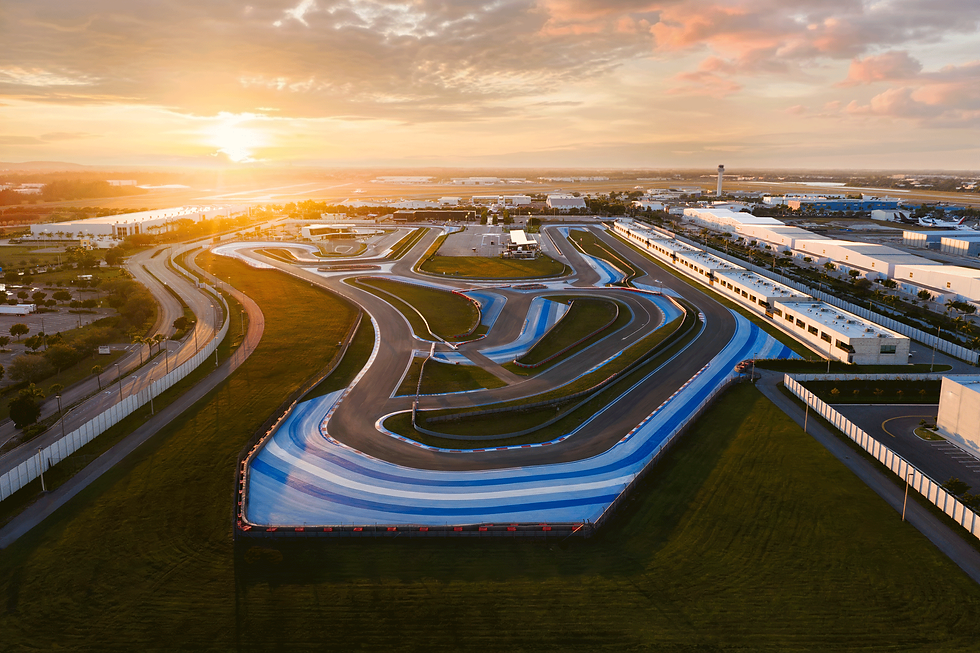
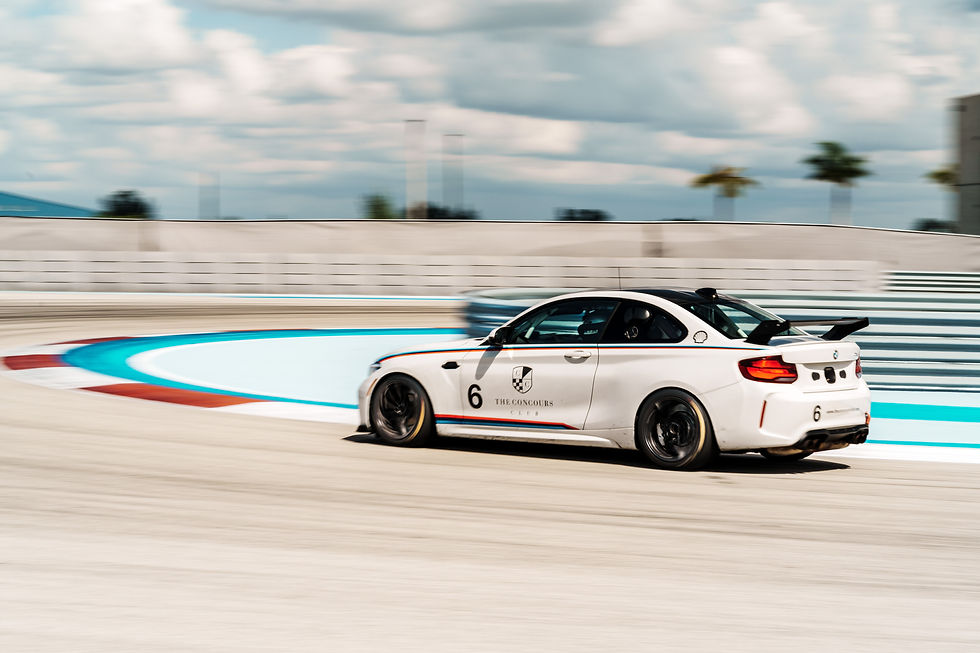
A conversation with fifty highly qualified guests at a curated hospitality experience can often create more value than reaching thousands of consumers through traditional advertising. Our friends at The Concours Club embody this model. The private automotive resort adjacent to Miami-Opa Locka Executive Airport pairs one of the world's most advanced driving circuits with restaurant, lounge, and event campus amenities — and during Grand Prix week it becomes one of the most sought-after gathering points in the city, hosting members and their guests trackside and off. It is proof that the most valuable real estate around a major sporting event is not a seat. It is a room where the right people gather. Premium hospitality is not a sideline of the modern sporting event. It is the business model.
Third, host cities have recognized the economic stakes.
The 2024 Las Vegas Grand Prix generated $45 million in state and local tax revenue and $284 million in wages for more than 4,500 local workers. During the 2025 Miami race weekend, Miami-Dade hotel occupancy reached 87.7% with average daily rates of $342 — four-day gross hotel revenue exceeded $78 million. Hospitality groups, developers, tourism organizations, restaurants, luxury retailers, and real estate operators are building strategies specifically designed to capture the influx of visitors and attention surrounding these moments.
The result is an expanding ecosystem of opportunity that extends far beyond the venue itself.

Formula 1: The Blueprint for the White Space Economy
Few examples illustrate this better than Formula 1's expansion in the United States.
The Miami Grand Prix generated roughly $350 million in economic impact in its inaugural 2022 season, $449 million in 2023, and an estimated $505 million by 2025 — more than $1.3 billion cumulatively in its first four years, per organizer-commissioned reports by Applied Analysis. Average visitor spend during race week runs near $1,940 per person, nearly double that of a typical Miami visitor. The event is now contracted through 2041 — the longest-running agreement on the F1 calendar.
While the racing remains the centerpiece, much of that economic activity occurs around the race rather than during it.
Hotels create exclusive experiences. Restaurants host private dinners that become the hardest reservations of the year. Brands launch limited-edition collaborations timed to race week. Retail concepts activate pop-up experiences. Hospitality venues become networking hubs. Investors, executives, athletes, celebrities, and media gather in one place at one time.
For many businesses, the race serves as the catalyst, but the real opportunity exists in the surrounding ecosystem.
The same pattern is emerging across a growing number of sporting properties worldwide — from golf and tennis majors to emerging racing series and global tournaments.
Where Sports, Hospitality, and Consumer Brands Converge
The white space economy exists because sports, hospitality, and consumer culture are becoming increasingly interconnected.
Sports create attention. Hospitality creates experiences. Consumer brands create products, stories, and engagement.
When these three worlds intersect, new commercial opportunities emerge.
A hospitality property can leverage a sporting event to attract a high-value audience.
A consumer brand can use a sporting event as a platform for product launches, partnerships, and relationship building with an audience that is concentrated, qualified, and culturally engaged.
A sports property can extend its reach through experiences that connect with audiences far beyond traditional fans — which is precisely how F1 transformed its American footprint in under five years.
Where the Opportunity Exists
For brands, the opportunity lies in creating experiences that align with the audience gathering around major events — not buying visibility, but engineering proximity.
For hospitality operators, the opportunity lies in transforming properties into destinations during key moments. The Miami hotel data is instructive: a single race weekend lifted occupancy more than twelve points above the event's first year.
For investors and developers, the opportunity lies in understanding how cultural and sporting events influence consumer behavior, tourism, and demand — and where recurring events create recurring, underwritable revenue. Formula 1 Las Vegas Grand Prix now hosts a guaranteed nine-figure economic event every November on what was historically the city's slowest weekend of the year.
For cities, the opportunity lies in creating environments that encourage visitors to extend their stay, spend more, and engage with local businesses.
The common thread is recognizing that the event itself is only one piece of a much larger economic system.
Looking Beyond the Venue
As sporting events continue to evolve into global cultural moments, the organizations creating the most value will be those that understand the ecosystems forming around them.
For decades, sponsorship was the primary way brands participated in sports. Today, opportunities extend far beyond signage, media exposure, and event inventory. They exist in hospitality, experiences, partnerships, destination programming, and the commercial activity generated by highly engaged audiences.
The most successful brands, properties, and investors are no longer simply attaching themselves to major events. They are building strategies around the communities, relationships, and economic activity those events create.
The future of sports business is not confined to the stadium, track, or arena. It exists in the spaces surrounding them.


Where This Thesis Is Taking Shape
At HYTON, we believe the intersection of sports, hospitality, and consumer culture represents one of the most compelling areas of opportunity today.
Across our Sports, Hospitality, and Brand Partnerships verticals, we have had the opportunity to work alongside organizations operating within this evolving ecosystem—from emerging sports properties and hospitality destinations to consumer brands leveraging major cultural moments to create value beyond traditional sponsorship.
As global sporting events continue to evolve into broader commercial platforms, we believe the most significant opportunities will increasingly exist where attention, experiences, and commerce converge.
Frequently Asked Questions:
What is the white space economy in sports? The white space economy refers to the commercial activity that forms around a major sporting event rather than inside it — hospitality, dining, retail, brand experiences, private events, and tourism. At events like the Las Vegas Grand Prix, the majority of attendee spending occurs outside the venue.
How much economic impact do Formula 1 races generate? Recent U.S. races offer a benchmark: the 2023 Las Vegas Grand Prix generated an estimated $1.5 billion, its 2024 edition $934 million, and the Miami Grand Prix has produced more than $1.3 billion cumulatively since 2022, reaching an estimated $505 million in 2025 alone.
Why are brands moving beyond traditional sports sponsorship? Traditional sponsorship buys visibility; experiential activations build relationships. With audiences saturated by advertising, brands increasingly find that a curated experience for a small, qualified audience around a major event produces more value than impressions alone.
How do sporting events benefit host cities beyond the event itself? Visitors extend stays, book hotels, dine, shop, and attend surrounding events. The 2024 Las Vegas Grand Prix alone generated $45 million in state and local taxes and $284 million in local wages — with average attendee spending of $2,400 excluding tickets.

Comments